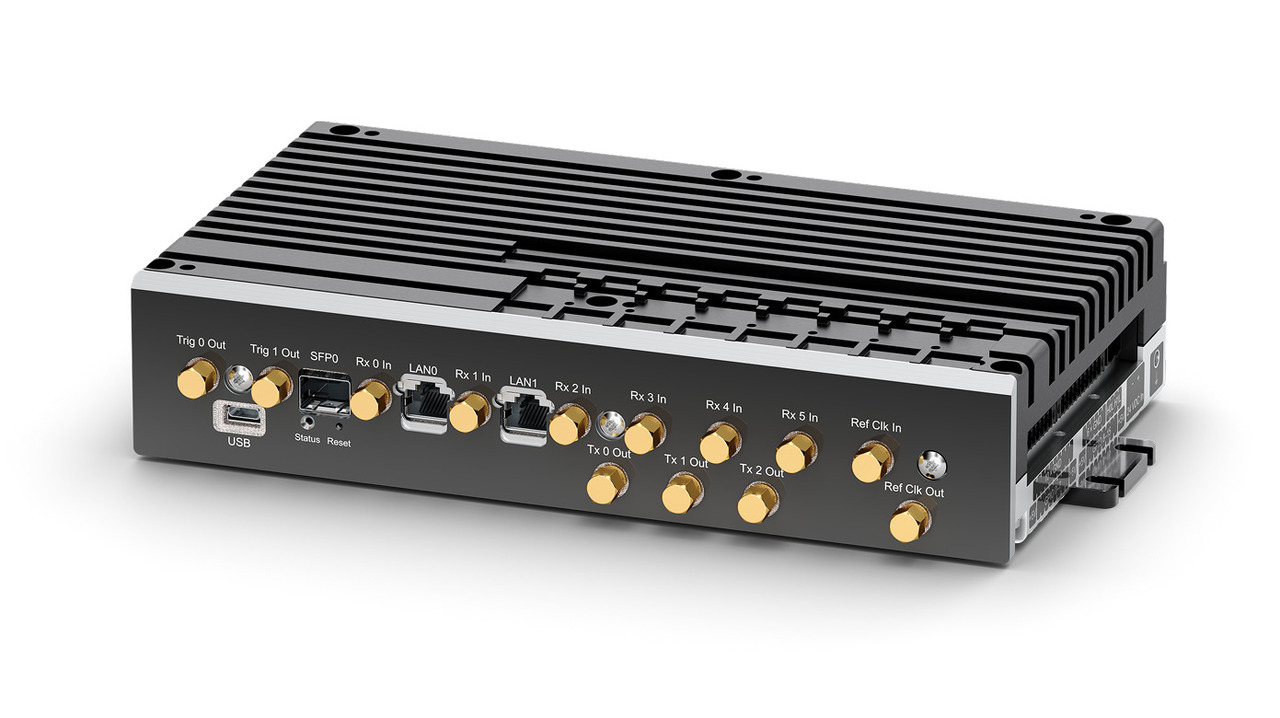
To retrieve the contents of a system log from IFDR10, use the
ifdr_rpc_get_logs command. When used without any options, this command
fetches all the log records from the default IFDR IP address, and exits. One log record is
printed as a single line of text.
The program prints log records to stdout.
Syntax of the command:
$ ifdr_rpc_get_logs [-h | --help] [-r | --rda-rpc ADDRESS[:PORT]] [-f | --follow] [-s | --since DATETIME] [-n | --num-last N] [-m | --max-records N]
Command options for
ifdr_rpc_get_logs
| Option |
Description |
| -h, --help |
Print help message and exit. |
| -r, --rda-rpc ADDRESS[:PORT]] |
Specifies the IFDR address to use for RPC communication.
- ADDRESS = IFDR numeric IPv4 address in
a.b.c.d format
- PORT = gRPC service port number
 | Option -r is only needed if the IFDR IPv4 address is
changed from the default value. Specifying PORT should not be needed in normal
use. |
|
| -f, --follow |
Follow the log in real time as new records are being added.
- If given, the program runs until it is interrupted, for example, by CTRL+C.
- If not given, the command exits after printing the log records.
|
| -s, --since DATETIME |
Get log records since DATETIME.
- If neither -s nor --since is given, the
program gets all the available log records.
- DATETIME uses the 24h ISO format "year-month-day
hours:minutes:seconds". For example: "2022-10-30 18:17:16".
| Do NOT use with -n |
|
| -n, --num-last N |
Get N last records. | Do NOT use with
-s |
|
| -m, --max-records N |
Put at most N log records into a single gRPC message
(default: 100). | Option -m should not be needed in normal
use. |
|